
The question
What have you noticed, and what would you need to know to act on it?
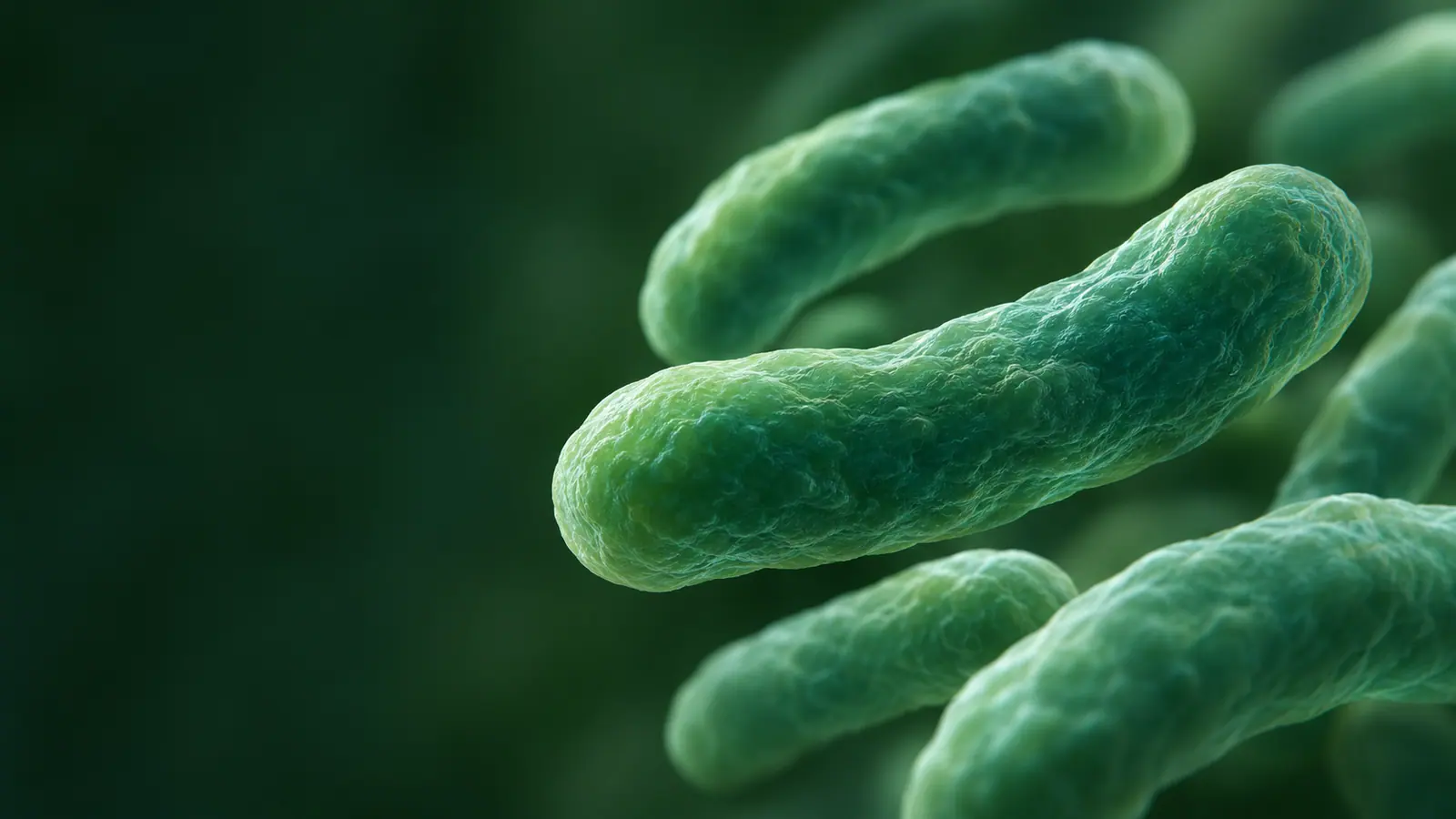
A promising strain can behave differently once it is mixed into a product. We compare strains, test formulations and study what changes when a process moves from the lab to a larger fermentation batch.
We start with the decision you need to make. Choosing between two strains calls for a different study from finding out why a formulation behaves differently in the field.
What have you noticed, and what would you need to know to act on it?
Previous results, a sample or notes from a batch can show us where to start.
Tell us its intended format, who will use it and any specification they need it to meet.
Let us know about deadlines and any records your team or customer needs.
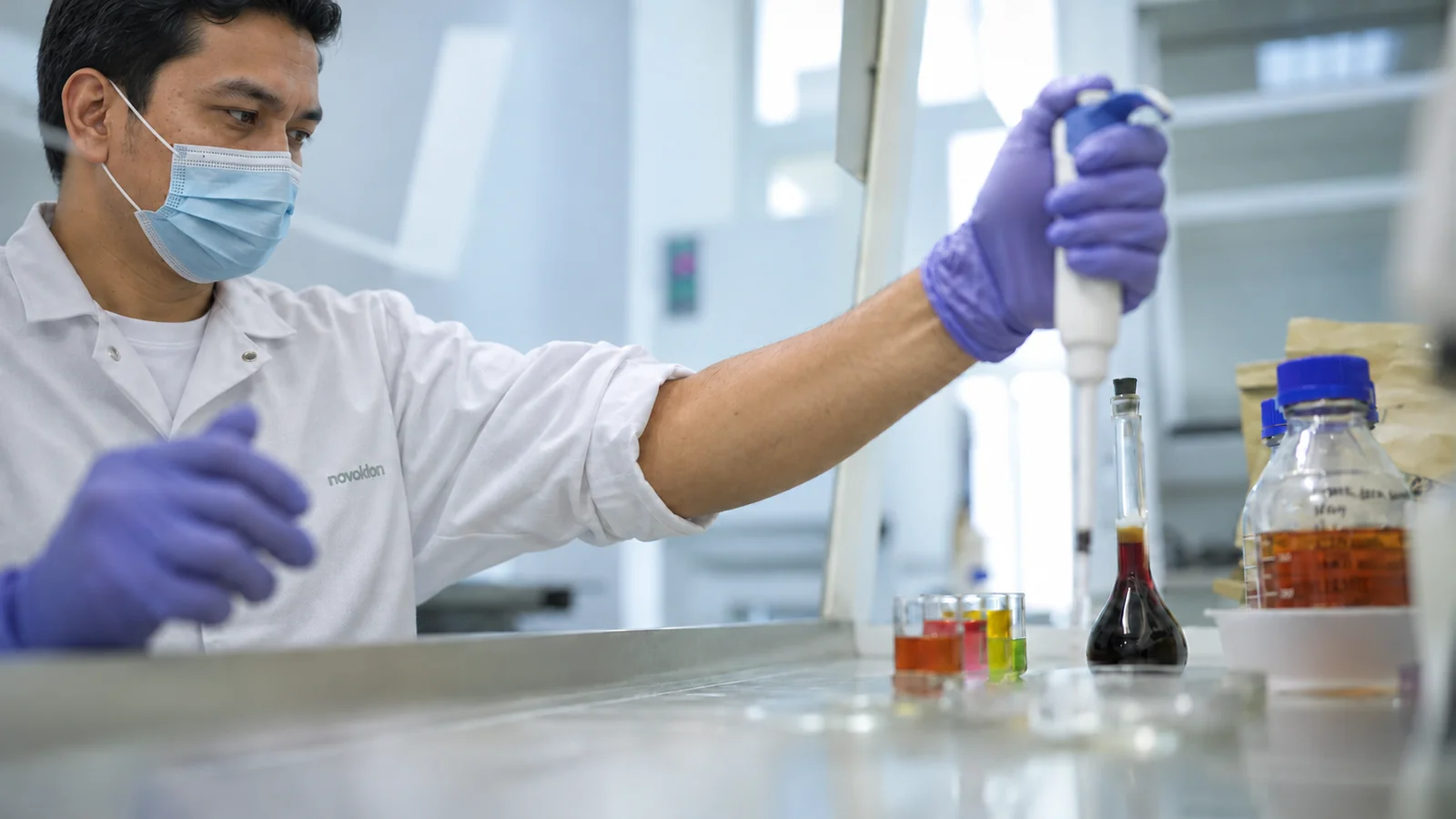
Our collection includes bacteria, yeasts and fungi. To narrow the choice, we look at what a strain needs to do and the conditions it will face. We then compare candidates against criteria we agree with you.
The findings show how each candidate behaved in the study. Where identification or another test would help explain a result, we can discuss that with you.
See our microbial collection
The way someone stores, handles or mixes a product can affect the microbes in it. We use the intended application to decide which of those conditions to test and what to compare with the original formulation.
Tell us the product format and specification. For work with crops or animals, the crop or species and the way the product will be applied also matter.
How we use Forgebiome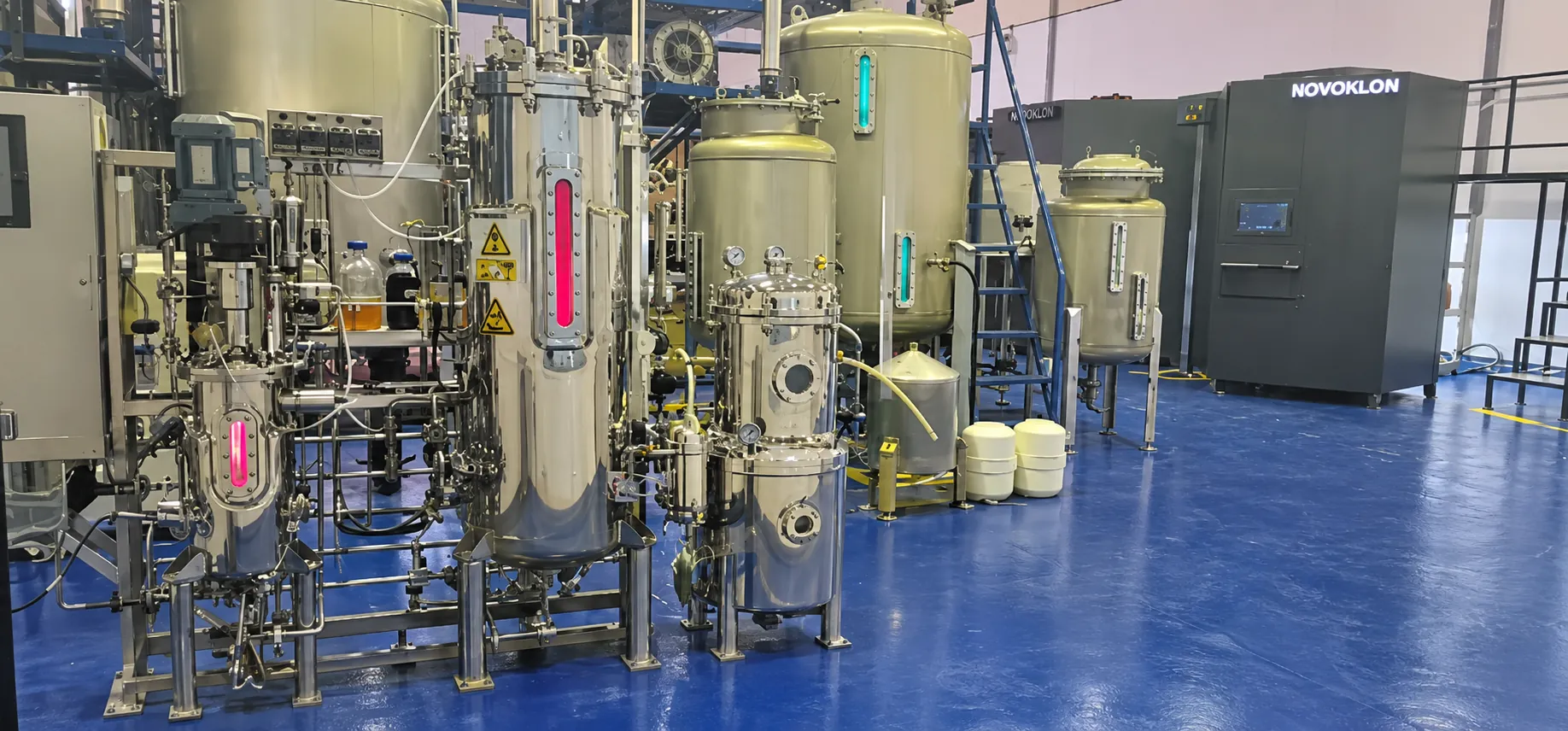
Before increasing the batch size, we review the organism, the process you use now and the product you want to recover. We agree what to measure at the next scale and what would justify moving on.
How much product will you need, in what form and to what specification? These details shape the fermentation work and the production quotation.
See fermentation and manufacturingThe proposal sets out the work and what we will report. Depending on the project, that might be a comparison of strains, a formulation assessment or a record of a fermentation study.
We agree on the comparison and on the observations that would help answer your question.
We look at the strains, samples, batch information and findings you can share.
Our team carries out the screening, formulation or process work described in the proposal.
We go through what the study showed, where the evidence is limited and whether another trial is worth doing.
If a trial has left you with more questions, tell us what happened. Previous results can help us see what would be worth testing next.