
Industrial wastewater and effluent
What enters the treatment plant, and what changes by the time it leaves? Current and earlier effluent results help us identify where to look.
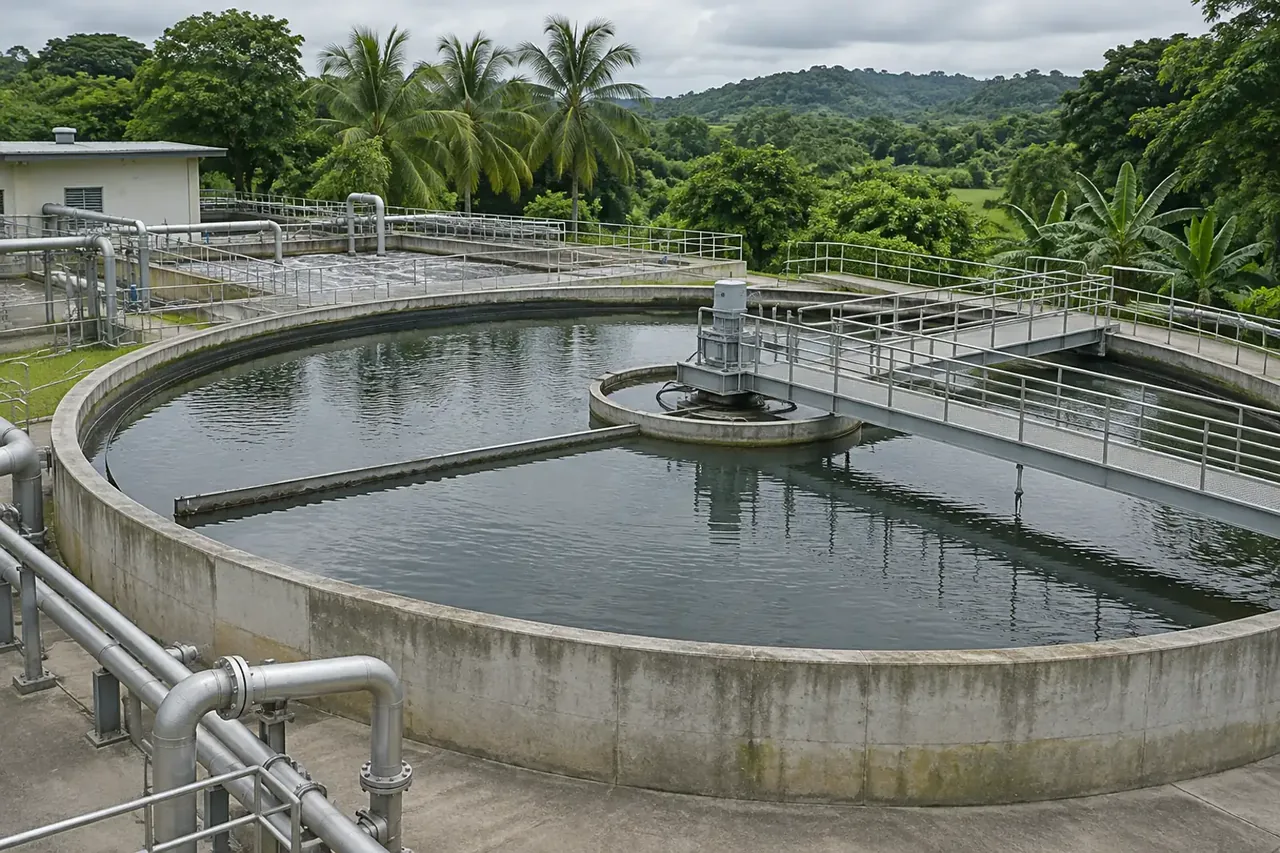
Grease collecting in a treatment line and an odour from stored organic waste call for different investigations. We work with the people who run these processes to understand the source and assess whether a microbial approach is worth testing.
We assess the material and the conditions at the site before recommending a study. The applications below are areas of investigation.
What enters the treatment plant, and what changes by the time it leaves? Current and earlier effluent results help us identify where to look.
The source and composition of the waste matter as much as the intended output. Tell us how you handle the material today.
We look at where the grease accumulates and how it is separated before considering a microbial formulation.
A record of where and when the smell develops helps us review the likely source and the controls already in use.
For contaminated material, the site's history and an analysis of the contaminant help establish what biological treatment could reasonably be investigated.
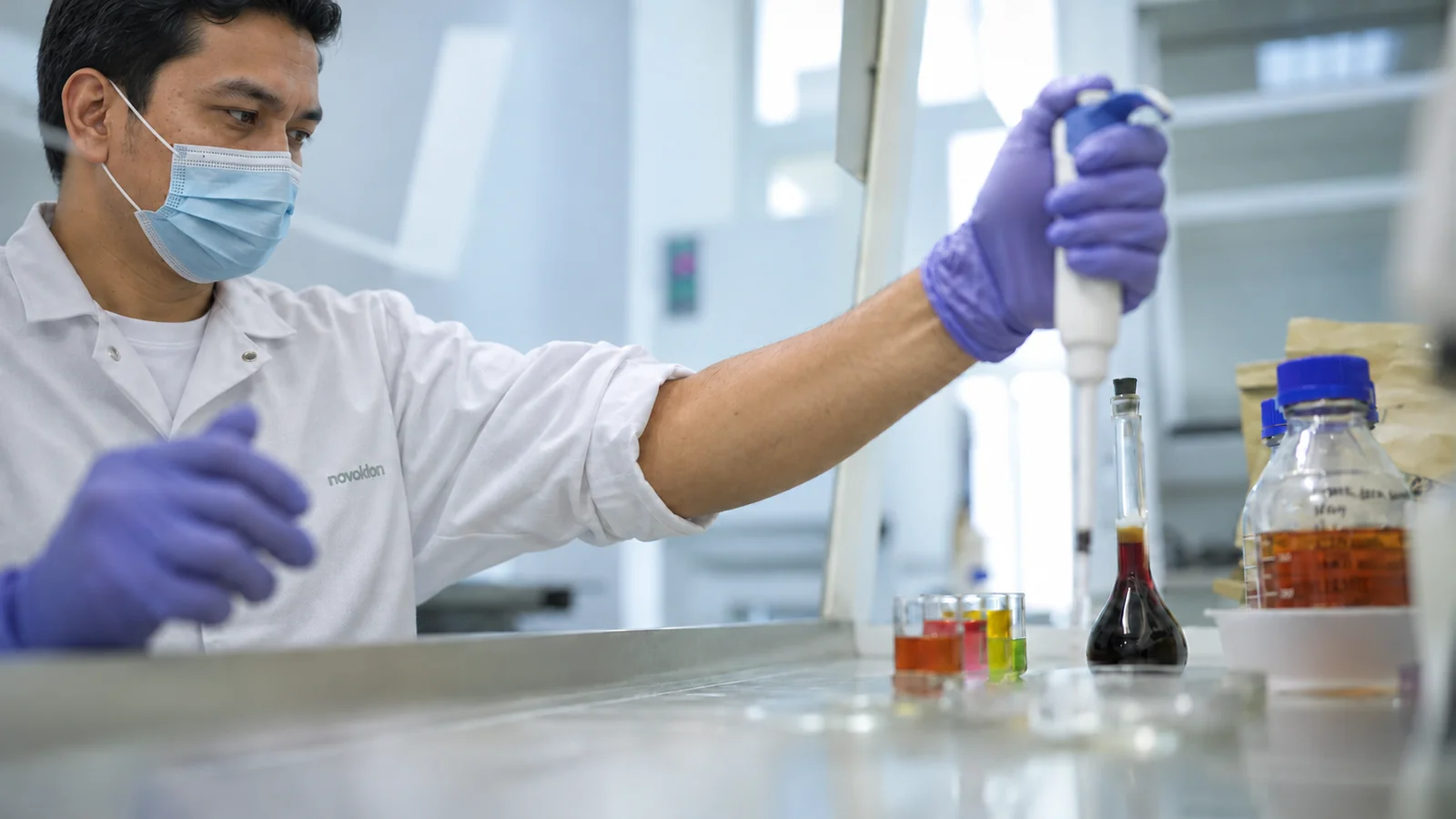
Sometimes a treatment record is enough to plan a study. In other cases, a sample needs analysis first. We explain which work we propose and whether you will receive an assessment, a study design or findings from a trial.
Show us where the problem appears in the treatment line.
Agree what a useful change would look like and how to measure it.
We set out which material we will examine, the work involved and what you will receive.
A short description is enough for a first conversation.
Which activity produces the effluent or waste?
How is it handled, stored or treated now?
Share any test reports or a record of dates and observations.
Tell us what you need to know before changing the process.
We can compare candidate microorganisms or formulations using the waste you want to treat. Before a trial, we agree which results would justify further work. Putting a treatment into operation requires its own site evidence and review of the applicable requirements.
See how we plan a comparison and evaluate a formulation.
View research and formulation servicesCheck with the lab before collecting or sending a sample. The test determines which material we can accept and how it should reach us.
Find available analyses and sample guidance.
View laboratory servicesInvestigate whether a candidate microorganism or mixture is suitable for the waste stream.
View research servicesStart with where the waste comes from and what is happening there. If you have an analysis or records from a previous treatment, include them with your message.