
What do you want to find out?
Perhaps you need to identify an isolate, confirm a sequence or compare two groups of samples. Start with the distinction you need the result to make. You can ask us about a method even if you have not chosen one yet.

A researcher checking a single DNA sequence needs a different test from a team comparing whole microbial communities. Tell us what you want to find out. We can help you choose a service and check what samples it needs.
Browse by service or search for a sample, method or measurement. Each service page explains what to send and what you can expect to receive.
20 services

Check a short stretch of prepared DNA and review the sequence alongside its chromatogram.
Request preparation and targeted Sanger sequencing together for eligible PCR products or plasmid material.
Check a short region from an eligible plasmid-bearing colony when choosing clones for further study.
Extend a sequence with overlapping Sanger reads or investigate a gap in an existing sequence.
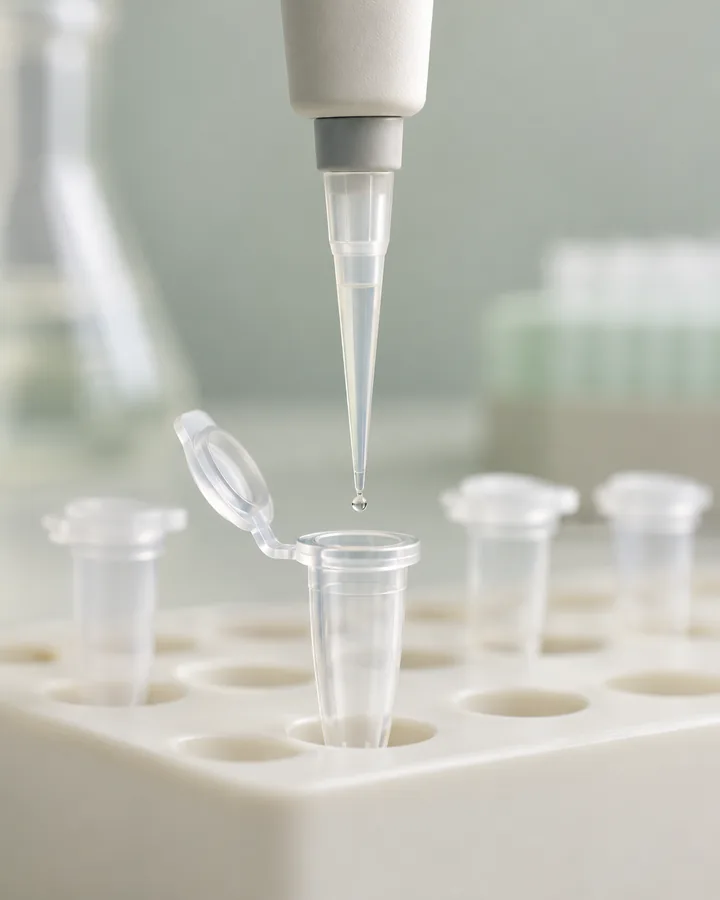
Prepare DNA, RNA or plasmid material for the analysis you plan to run next.
Test for a selected DNA target or prepare a region for sequence confirmation.
Discuss a research construct, its intended use and the sequence checks you require.
Use a DNA marker to help identify a specimen or isolate against reference sequences.
Plan a molecular study around an unexpected result, a candidate marker or a comparison between samples.
Examine the sequence across a submitted plasmid, including the insert, junctions and backbone.
Plan a sequencing study of a genome, gene expression or the composition of a microbial community.
Analyse new or existing sequence data to compare genomes, gene expression or microbial communities.
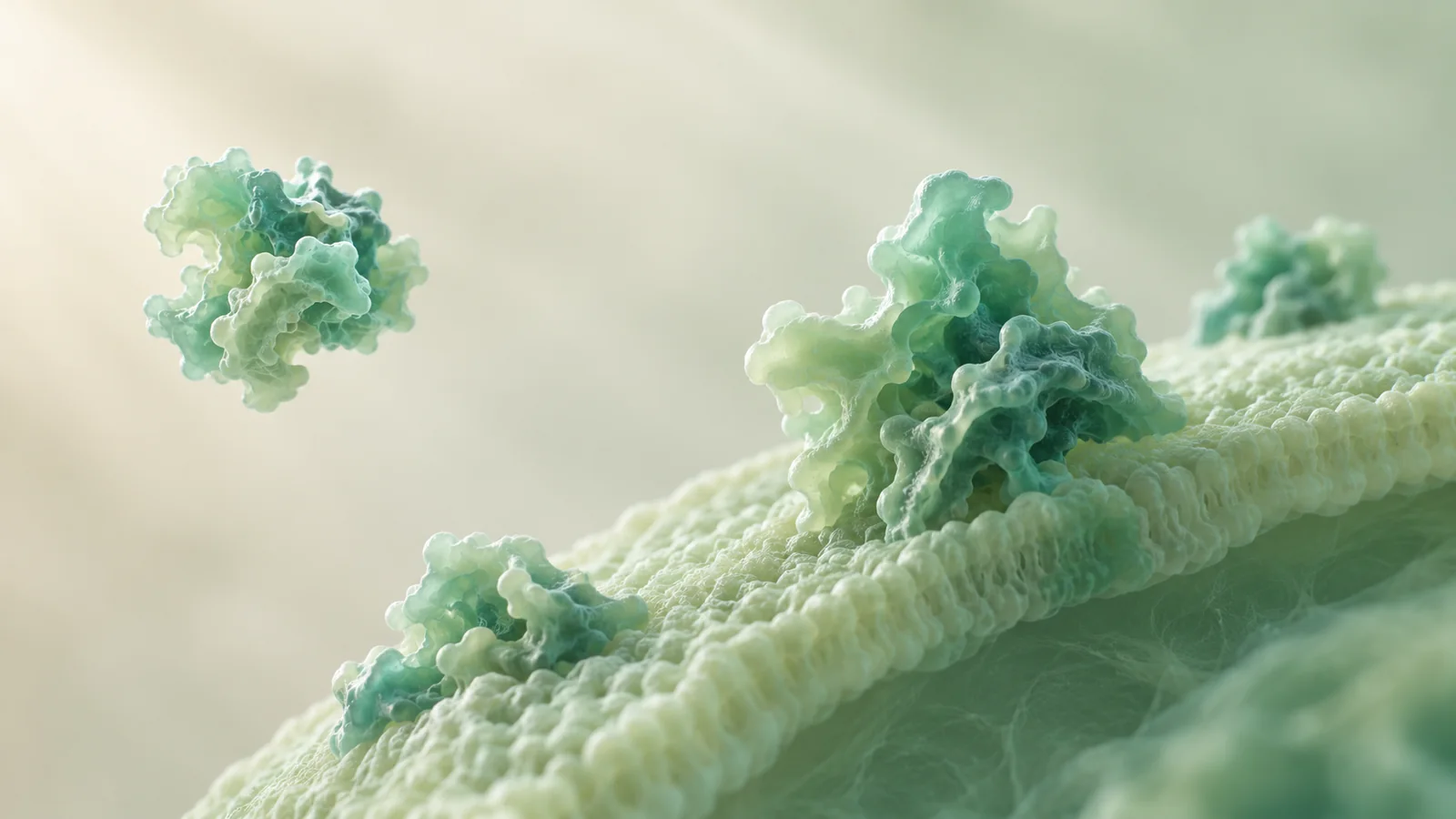
Discuss a custom research peptide, from sequence and purity to the format your assay needs.
Identify proteins, investigate peptide sequences or compare protein abundance between research samples.
Plan a custom research antibody around its target and the assay where you intend to use it.
Measure selected metabolites or compare small-molecule and lipid profiles across research samples.
Test submitted research culture material for mycoplasma and document the result for the sample tested.
No matching services. Try a broader term or choose another category.
Perhaps you need to identify an isolate, confirm a sequence or compare two groups of samples. Start with the distinction you need the result to make. You can ask us about a method even if you have not chosen one yet.
Include the sample type, how many you have and how they were collected or stored. For a comparison, tell us which samples belong to each group and whether you have controls or replicates.
You may need raw sequence files for your own analysis, or a report that compares your samples. Let us know before you submit them so we can confirm what the quotation includes and what the results can tell you.
Email us a few lines about your samples and the question you are trying to answer. We’ll confirm what to send, what the work will cover and the cost before you send any material.