
Check research isolate identity
Check a microbial isolate’s identity before further work. Its collection record links the identification to the isolate you actually studied.
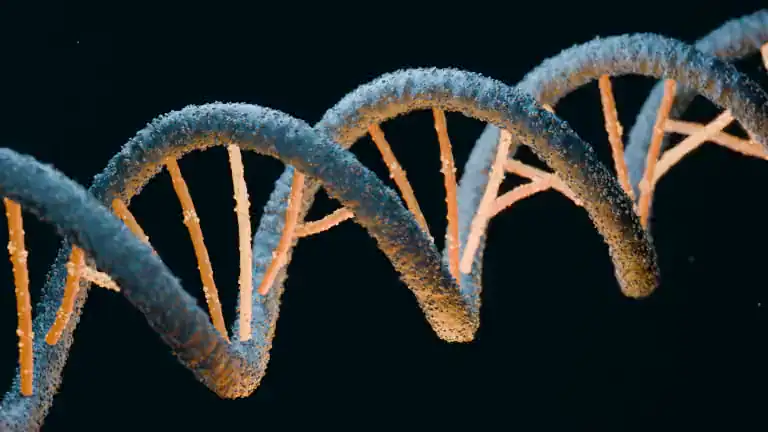
When appearance leaves an identification in doubt, a short DNA marker can help narrow it down. We compare the sample sequence with reference records and report how closely it can be identified.
Barcoding is useful when a specimen is incomplete or several organisms look alike. The choice of marker depends on the organism group and on which relatives you need to distinguish.
A close database match can still fit more than one species. We look at the quality of the sequence, how much aligns and which relatives are represented in the reference records. Sometimes the most accurate answer is a genus or a group of possible species.
Check a microbial isolate’s identity before further work. Its collection record links the identification to the isolate you actually studied.
A barcode may help identify plant, animal or fungal material. Its processing and storage history can affect how much usable sequence remains.
Link sequence records to named specimens in a research collection. That makes it possible to revisit a doubtful identification later.
Tell us what it might be, what distinction you need to make and whether the material comes from one organism or a mixture.
Agree on the marker and the preparation and sequencing required. Mixed or degraded material may need a different assessment.
The useful part of the sequence is compared with reference records. Match quality and the length of the comparison both matter.
The report gives the level of identification the sequence supports. If close relatives remain possible, it should explain why.
| Material or information | What to discuss before submission |
|---|---|
| Isolated microbial material | Provide a unique isolate identifier and available purity or identification information. Confirm accepted material and transport arrangements before dispatch. |
| Individual specimens or tissues | Describe the organism group, collection context and preservation history. Keep photographs or voucher information available where they can help interpretation. |
| Purified DNA or an existing sequence | Supply preparation details or original sequence data, not only a previous identification label. State the region analysed and the specific question that remains unresolved. |
Before sending samples, ask us to confirm the accepted material, quantity, quality requirements and transport arrangements for your project.
A strong match over a short region is different from a strong match across the informative barcode. Similarity and alignment coverage should be considered together.
Mixed communities usually require a different study design, such as metabarcoding or metagenomic sequencing. Barcoding does not establish organism viability, product performance or a clinical diagnosis.
No. Close relatives can share a barcode, and reference databases may have gaps. In those cases, the most defensible result may be a genus, a group of species or an unresolved match.
Soil contains a community. Routine barcoding examines an individual specimen or isolate. Tell us which part of the community you want to study so we can discuss a suitable sequencing approach.
Yes. Send the original sequence and underlying data, the marker, the earlier reference comparison and the sample details. We can agree which parts of the identification to review.
Tell us where the specimen came from and which organisms you need to tell apart. If you already have a sequence or an earlier identification, include it with your enquiry.