
Evaluate a new research approach
A small feasibility study can show whether the available material is suitable before you commit a larger collection.
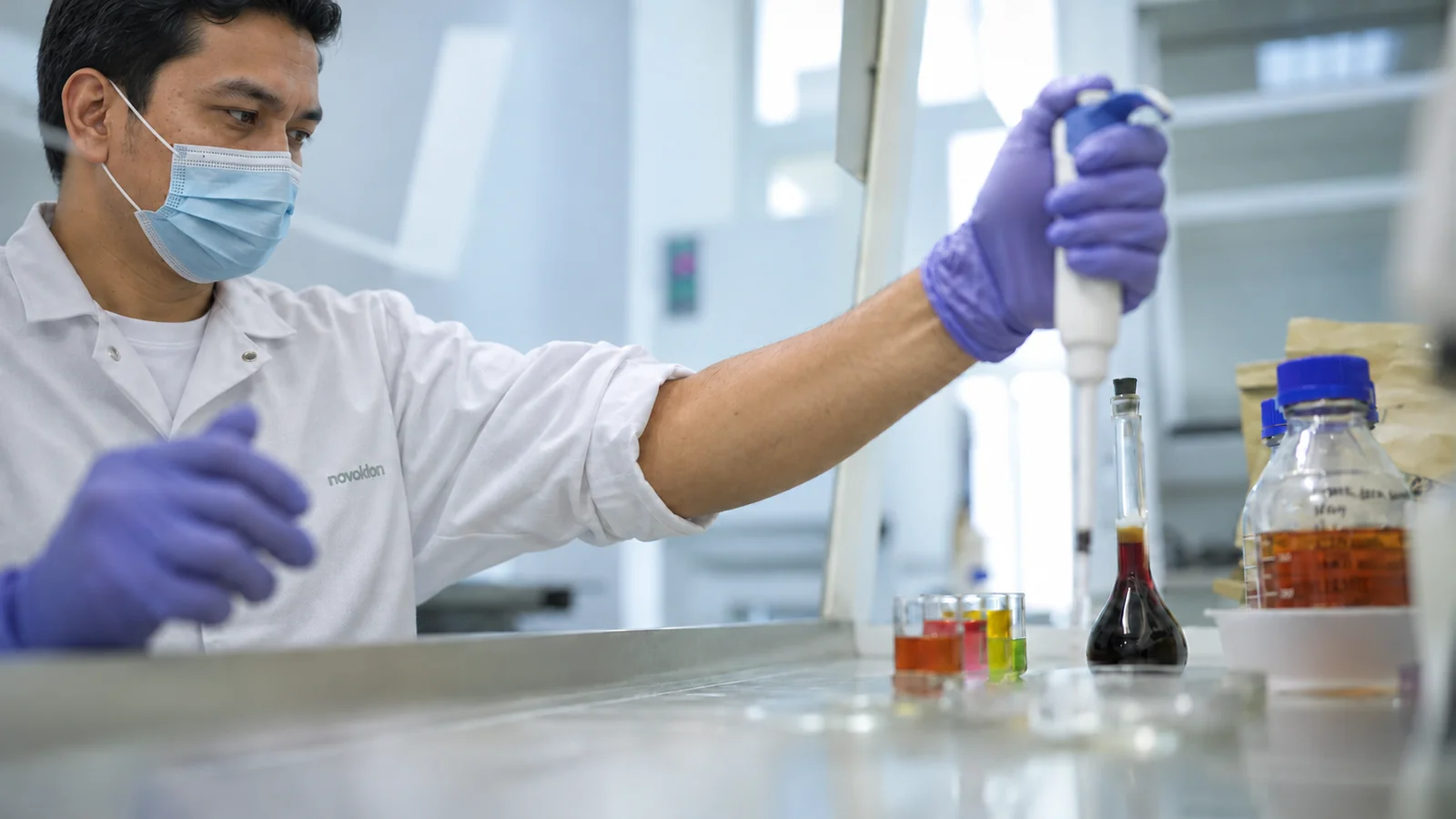
An unexpected result can leave you with a question that falls between routine tests. We can review what you have already tried and work out whether a small study could help you decide what to do next.
A sequence discrepancy, a promising marker or conflicting results from two samples can all be starting points. Earlier data are useful here, including results that were hard to explain.
Sometimes a feasibility study is enough to decide whether a larger project is worthwhile. We agree what to measure, when to review the findings and which questions the available samples can answer.
A small feasibility study can show whether the available material is suitable before you commit a larger collection.
If a result conflicts with an earlier observation or reference, share both findings. The study can focus on the evidence that would distinguish the possible explanations.
Where preparation, sequencing and interpretation involve different teams, a single sample record keeps the results tied to the original material.
Include previous results, available material and practical constraints. Tell us which question you most need to answer.
Discuss comparisons, controls and when to review progress. Agree which decisions need to be made before another phase can begin.
If the evidence points in a different direction, discuss any proposed change and how it affects the remaining work.
Read the observations alongside the methods and limitations. The final discussion can identify what has been answered and what is still open.
| Material or information | What to discuss before submission |
|---|---|
| Research brief and previous evidence | Provide a concise question, relevant background and original results where available. Include known failures or inconsistencies; these can be central to planning. |
| Biological material | Describe identity, source, storage history, availability and whether replacement is possible. Confirm acceptance and allocation before sending limited material. |
| Sequences and digital datasets | Supply original files with identifiers, versions and an explanation of how they were generated. Keep sample metadata connected to each file. |
Before sending samples, ask us to confirm the accepted material, quantity, quality requirements and transport arrangements for your project.
Independent biological samples and repeated measurements answer different questions. Discuss replication and relevant sample variables before interpreting differences between study groups.
Research can produce a useful negative or inconclusive result. Agree what constitutes a completed phase, how scope changes are handled and which findings warrant follow-up.
No. Tell us what you want to find out, what you already know and what material is available. A small feasibility study may be a sensible first step.
Yes. For each phase, agree what you will receive and what you need to learn before deciding whether to continue.
No. We can agree the methods, records and reports in advance. The material and the biology determine the outcome, including findings neither team expected.
Before sharing sensitive material, agree how confidentiality, ownership and access will be handled and whether a written agreement is needed.
Tell us what prompted the enquiry and what you have learned so far. A brief description of the samples, earlier work and the decision you face is a good place to start.